
7 Longevity Travel Destinations Redefining How We Age
Longevity is no longer just about where people live—it’s increasingly about where they choose to go.
As interest in extending both lifespan and healthspan accelerates, longevity travel is emerging as a distinct category at the intersection of wellness, medicine, and lifestyle. The global wellness economy has reached $6.8 trillion, according to the Global Wellness Institute, with wellness tourism among its fastest-growing sectors. Within that expanding market, longevity-focused experiences—from advanced diagnostics to regenerative therapies—are gaining traction as a category of their own.
But I think there’s something worth examining beyond the growing number of destinations and the increasingly sophisticated services they’re offering.
What exactly are we trying to achieve when we talk about longevity?
At 51, I’m paying closer attention to how my body is changing. Men and women age differently and the biological changes we experience can influence everything from muscle mass to metabolic health. Things that worked beautifully ten years ago may need adjusting.

When it comes to longevity, I don’t think there’s one prescription that works for everybody.
For me, longevity is about quality of life. Physical, emotional, spiritual, intellectual. I don’t think we can separate those things quite as neatly as the wellness industry sometimes suggests. Someone can be in extraordinary physical condition and emotionally miserable. Someone else might be dealing with physical limitations while feeling deeply grounded, connected, and fulfilled.
Personally, I want to keep zipping around. I want to think freely, create things, execute my ideas, and remain as independent as possible. I want my body to cooperate with the life I have in mind for it. And as I get older, I’m realizing that maintaining that relationship sometimes means changing what I’m doing rather than expecting the same routines to work indefinitely.
That’s my definition. Yours may be entirely different.
Perhaps that’s part of what makes the emerging longevity travel market so interesting. It’s no longer built around one particular vision of what aging well should look like.
Some destinations approach longevity through medicine, diagnostics, and measurable interventions. Others emphasize sleep, movement, nutrition, stress reduction, social connection, and the environments in which we spend our time.
I’ve experienced both approaches.
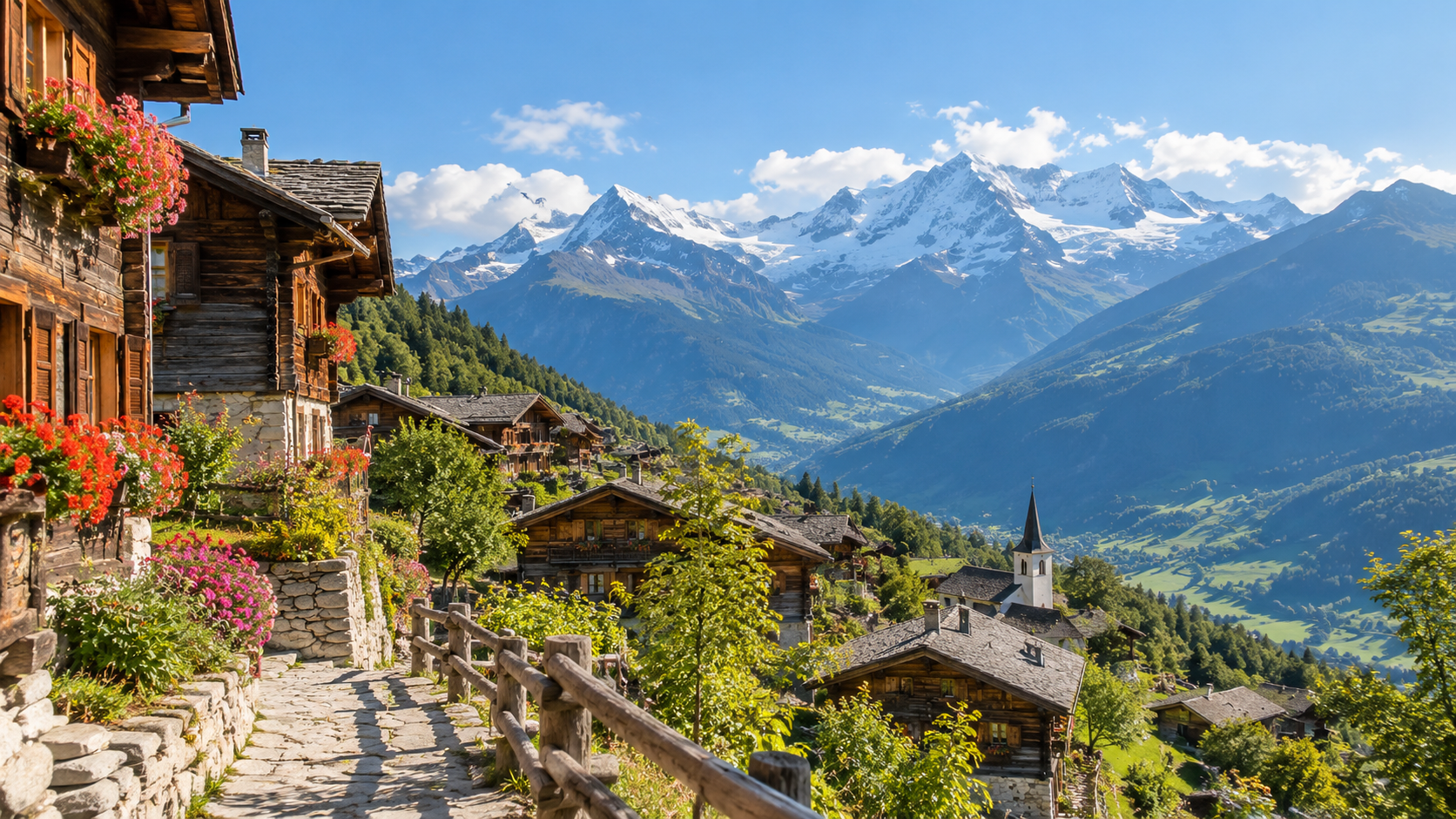
At Switzerland’s Bürgenstock Resort, I spent more time exploring the restorative side of wellness, surrounded by the kind of alpine landscape that makes it difficult to think about much beyond what’s immediately in front of you. The resort also offers medical wellness services, but my experience leaned toward the spa and its extraordinary setting.
Clinique La Prairie, also in Switzerland, was another matter entirely.
I participated in its five-day detox program, which took a much more clinical approach to wellness.
We discussed nutrition, exercise, body composition, aging, and the measurable aspects of health. The emphasis was on established medical science and evidence-based practices. I appreciated that rigor, even if I wasn’t entirely thrilled about giving up certain pleasures. Coffee and cheese were particularly difficult to part with, although the team graciously made some exceptions. Yet, despite eating regularly, I remember being hungry.
But I also appreciated the opportunity to examine my health through a different lens.
Coming from a background in complementary wellness, I don’t necessarily need a peer-reviewed study to validate every personal experience. I have tuning forks all over my house, for example. I know what I experience when I use them, and that’s meaningful to me.
What I don’t do is confuse my personal experience with scientific evidence that something will produce the same result for everyone else.

There’s room for both perspectives, provided we’re honest about what we know, what we believe, and what we’re actually selling.
As I explored in my previous reporting for Forbes on longevity and medical tourism trends, destinations around the world are building ecosystems that combine clinical expertise with high-end hospitality. These programs increasingly extend beyond traditional spa treatments into preventive health, personalized diagnostics, and structured wellness experiences.
The model is no longer limited to a handful of established European institutions.
Countries around the world are developing their own approaches, combining medical innovation, traditional wellness practices, and lifestyle-driven experiences.
Here are seven destinations where that shift is already underway.
Austria: Europe’s Quiet Longevity Powerhouse
Austria may not be the first country associated with longevity travel, but it has become one of Europe’s more established destinations for medically grounded wellness.
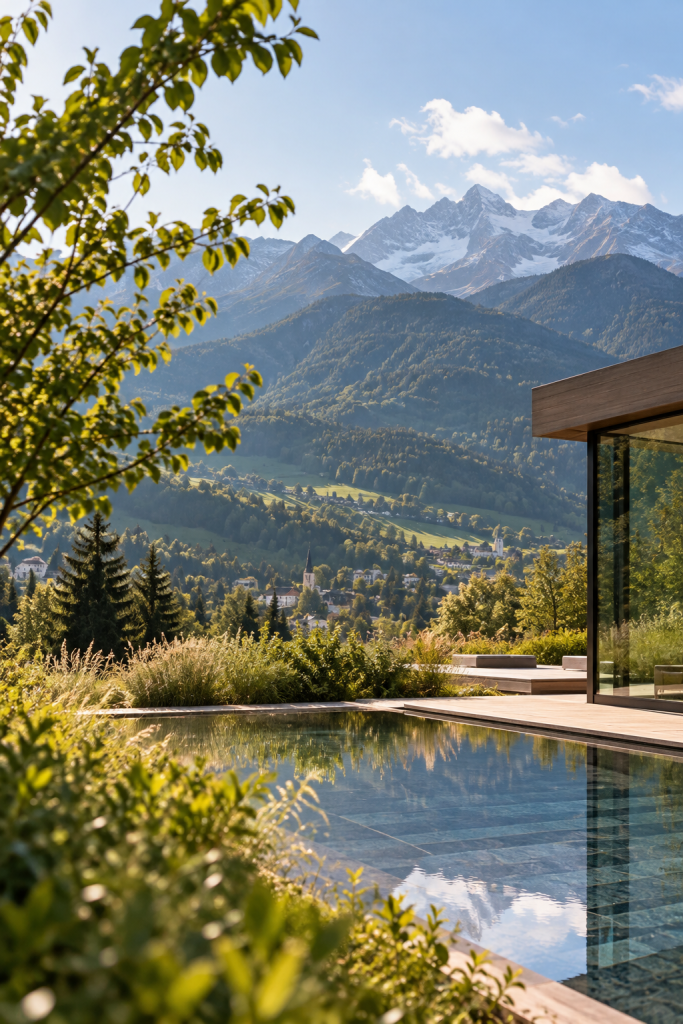
At the center is Lanserhof, widely recognized for its focus on preventive health, diagnostics, and metabolic optimization. With a location in Lans, Austria, and another in Tegernsee, Germany, Lanserhof combines modern medicine with a structured, highly personalized approach to long-term health.
What distinguishes Austria is its clinical depth. Programs are designed around individual health assessments and measurable indicators, positioning it as a destination for travelers seeking something beyond relaxation.
It’s an approach that appeals to people who want information about their health and a structured plan for addressing it, rather than simply returning home feeling rested.
Thailand: Where Wellness Meets Longevity Science
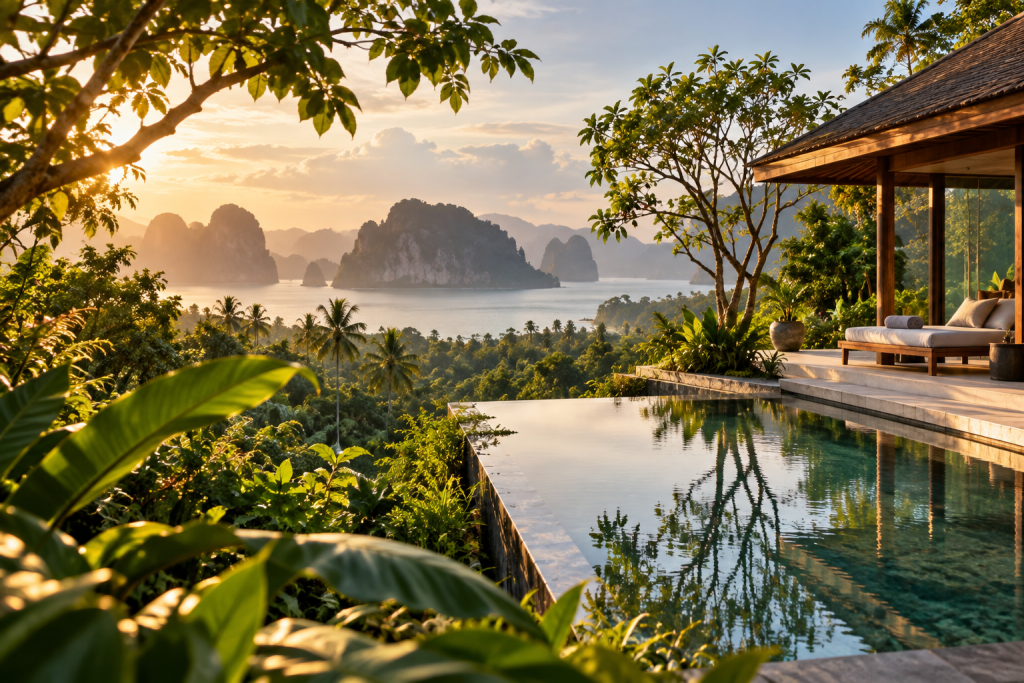
Thailand has evolved into one of the world’s most developed wellness tourism markets, and increasingly, that includes longevity.
Destinations like Chiva-Som, Kamalaya, and RAKxa Integrative Wellness have expanded beyond traditional spa offerings to include functional medicine, diagnostics, and personalized programs that bridge Eastern and Western approaches.
Thailand’s appeal lies partly in the combination. Travelers can access structured health and wellness programming while remaining in environments designed for restoration, with nutrition, movement, and relaxation integrated into the experience.
It’s a model that recognizes that improving health doesn’t necessarily have to feel like being admitted to a medical facility.
Mexico: An Emerging Hub for Regenerative Wellness
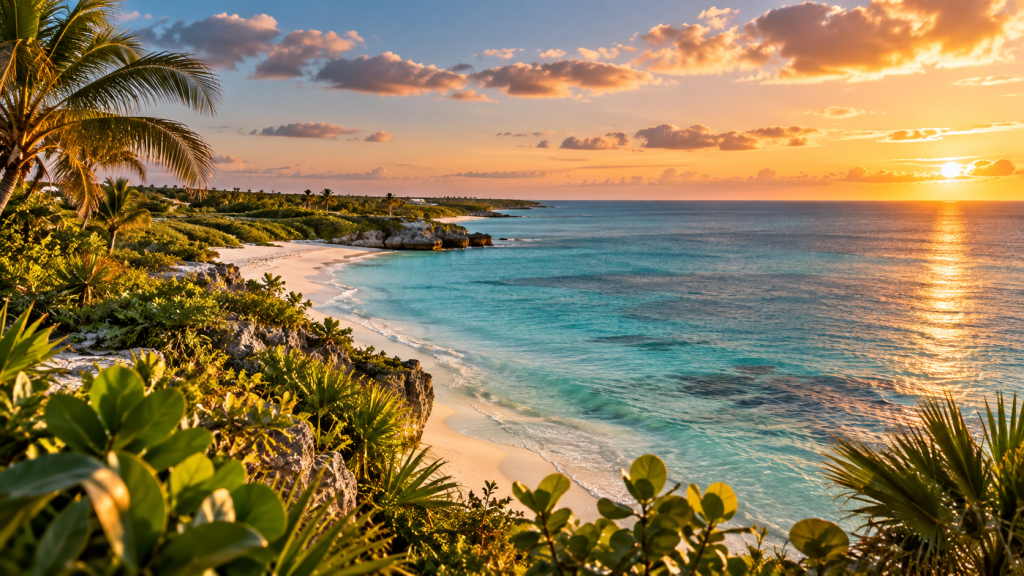
Mexico is gaining traction as a destination for medical and wellness tourism, with growing interest in regenerative therapies and longevity-focused care.
The arrival of SHA Wellness Clinic in Costa Mujeres has strengthened the country’s position in this market, bringing a European model of integrative health to the Mexican Caribbean.
Known for combining medical diagnostics, nutrition, and advanced therapies, SHA offers structured programs that address multiple aspects of health within a luxury hospitality setting.
Additional centers, including Sanoviv Medical Institute, further illustrate Mexico’s growing role in the longevity travel industry. I recently had the opportunity to visit Longevity Medical Institute in San José del Cabo, offering a firsthand look at another approach to regenerative medicine and personalized longevity care.
Of course, regenerative medicine is an area where it’s particularly important to distinguish established treatments from emerging or experimental interventions. Not everything marketed under the longevity umbrella has the same level of scientific support, and travelers considering medical procedures abroad should understand exactly what they’re receiving.
Japan: Longevity as a Way of Life
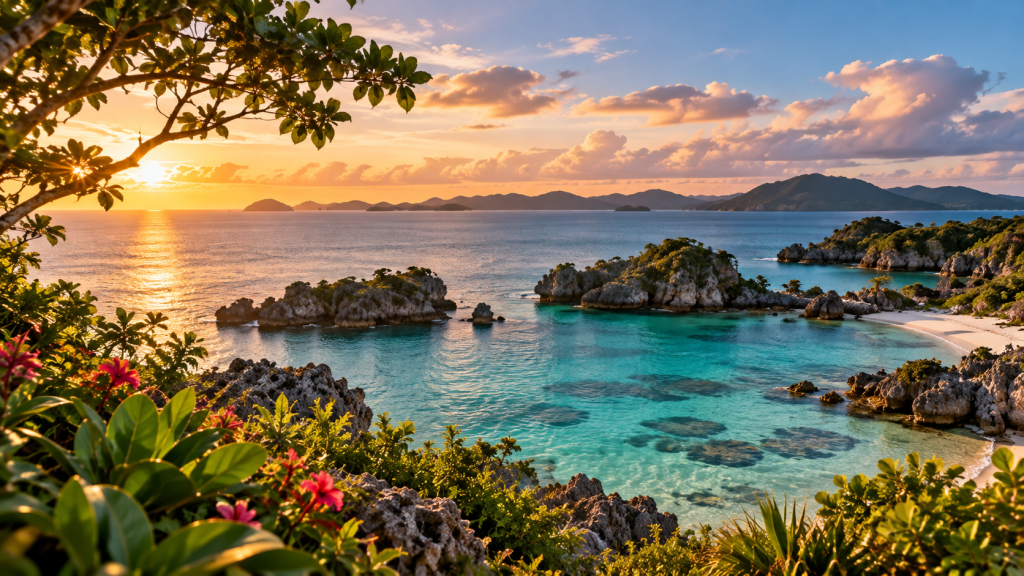
Japan offers a different perspective on longevity, one rooted less in intervention and more in culture.
In regions like Okinawa, longevity has long been associated with daily habits, social connection, and a strong sense of purpose.
Wellness experiences across Japan often reflect these principles, emphasizing balance, routine, nutrition, and environment rather than clinical treatment alone.
There’s something compelling about that approach, particularly in a market increasingly focused on sophisticated diagnostics and expensive interventions.
In Japan, longevity isn’t necessarily something you purchase as a program. It’s something that can be cultivated through the way you live.
Portugal: A Rising European Destination for Longevity Travel
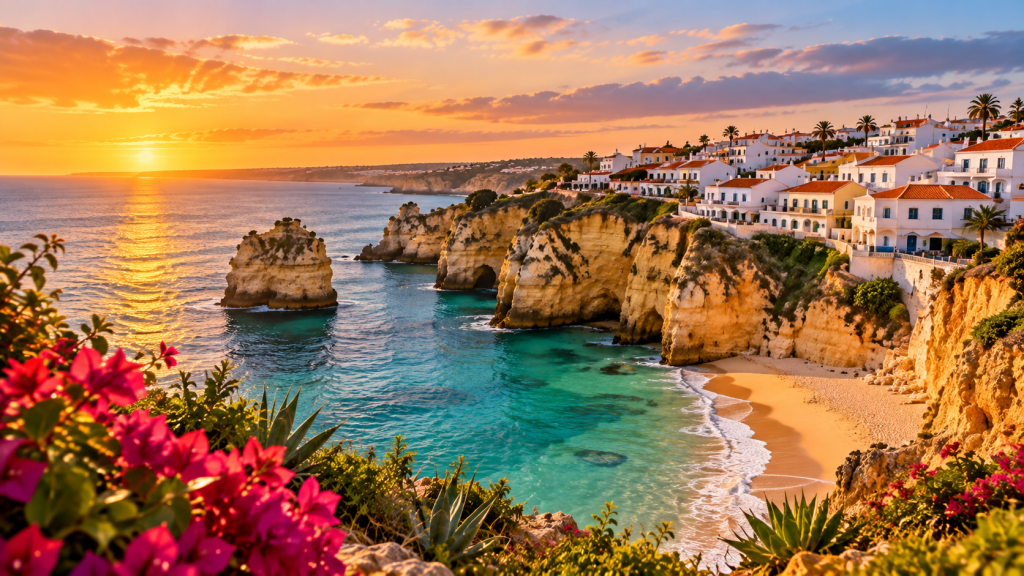
Portugal is emerging as one of Europe’s more accessible destinations for longevity-focused travel, supported by a growing number of dedicated wellness properties.
In the Algarve, the Longevity Health & Wellness Hotel offers programs centered on preventive health, detox, and personalized wellness planning. Nearby, Vilalara Thalassa Resort incorporates therapeutic treatments into a coastal setting designed for longer stays.
Combined with its climate, infrastructure, and quality of life, Portugal is attracting travelers interested in integrating wellness into a broader lifestyle shift.
For some, that might mean a structured program at a dedicated retreat. For others, it might mean spending more time walking, eating well, getting outside, and living at a pace that allows the nervous system to settle.
Both can have value, even if they don’t come with the same price tag.
Vietnam: Affordable Luxury and Nervous System Recovery

Vietnam, particularly along its central coast, is becoming known for a new generation of wellness resorts that prioritize restoration and recovery.
In Da Nang, properties like TIA Wellness Resort and Fusion Resorts focus on stress reduction, sleep, and immersive wellness experiences. While less clinical in approach, Vietnam’s strength lies in its emphasis on restoration. Supporting nervous system health through rest, recovery, and stress management is an important part of maintaining physical and emotional well-being.
While less clinical in approach, Vietnam’s strength lies in its ability to offer restorative environments and consistent wellness programming at price points that may be more accessible than some of the established European longevity clinics.
And while stress reduction and better sleep aren’t always as glamorous as the latest longevity intervention, they’re fundamental aspects of maintaining health and well-being.
Sometimes what people need isn’t another diagnostic test. It’s an opportunity to recover.
Italy: Longevity Rooted in Lifestyle
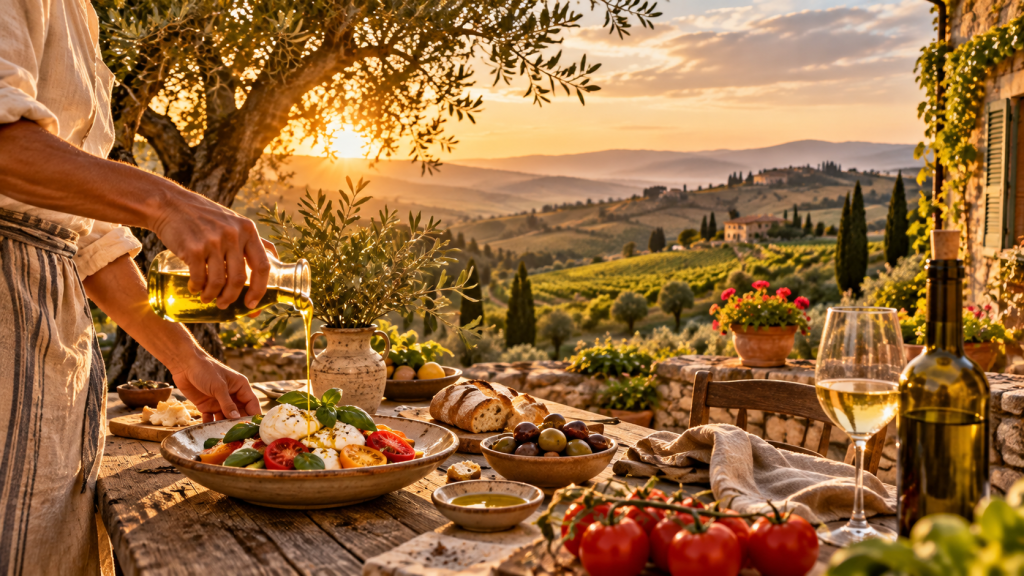
In Sardinia, one of the world’s recognized Blue Zones, longevity is less about intervention and more about environment.
Daily movement, strong social ties, and a Mediterranean diet rich in whole foods have long been associated with the region’s concentration of exceptionally long-lived residents.
Resorts like Forte Village complement that lifestyle with wellness programming, but the region’s broader appeal extends well beyond any particular treatment.
Sardinia is a useful reminder that some of the factors associated with aging well aren’t particularly complicated.
They involve how we eat, how we move, the relationships we maintain, and the rhythms of everyday life.
Which brings me to a question I’ve been thinking about as the longevity industry continues to expand.
Can You Actually Buy Longevity?
Well, to a degree, I think you can.
Money can buy access to sophisticated diagnostics, knowledgeable practitioners, personalized programs, and extraordinary environments. It can buy time away from daily responsibilities, professional guidance, and opportunities to explore approaches to health that might otherwise be difficult to access.
There’s nothing inherently wrong with any of that.
But buying access to the tools isn’t the same as knowing how to use them. And it certainly doesn’t guarantee that you’ll live longer or better.
I think about it a little like beauty.
You can buy an awful lot of beauty these days, or at least the interventions intended to produce it. But more isn’t necessarily better. We’ve all seen what happens when the pursuit of improvement becomes an exercise in excess.
I think longevity can fall into the same trap.
There’s a growing market for supplements, treatments, testing, and protocols promising to optimize nearly every aspect of human existence. And while some of these interventions may have legitimate benefits, others are being marketed well ahead of the evidence.
I don’t have a problem with people experimenting with their own health, provided they understand the risks and aren’t confusing marketing with medicine.
What bothers me is when someone presents themselves as an authority they haven’t earned, particularly when they’re using that perceived authority to sell something.
A person describing their own experience with a treatment is one thing. Someone making sweeping claims about what that treatment will do for everybody else is another.
And when we’re talking about health, that distinction matters.
I’ve spent enough time around both conventional and complementary medicine to know that neither side has a monopoly on useful ideas. I also know that there are circumstances where clinical evidence and qualified medical supervision aren’t optional.
The trick is understanding which tools are appropriate for which situations.
To be clear, I don’t believe the most expensive approach is necessarily the best one.
Now in my 50s, I’m paying closer attention to how my body is changing. Things that worked beautifully ten years ago may need adjusting. Maintaining strength, mobility, and overall well-being requires a little more intention than it once did.
But I don’t have millions of dollars, a team of specialists, or a cabinet full of expensive supplements and I’m not particularly interested in turning my entire existence into a longevity experiment.
I want to live well, not spend every waking moment trying to engineer the process.
The Future of Longevity Travel Is Personal
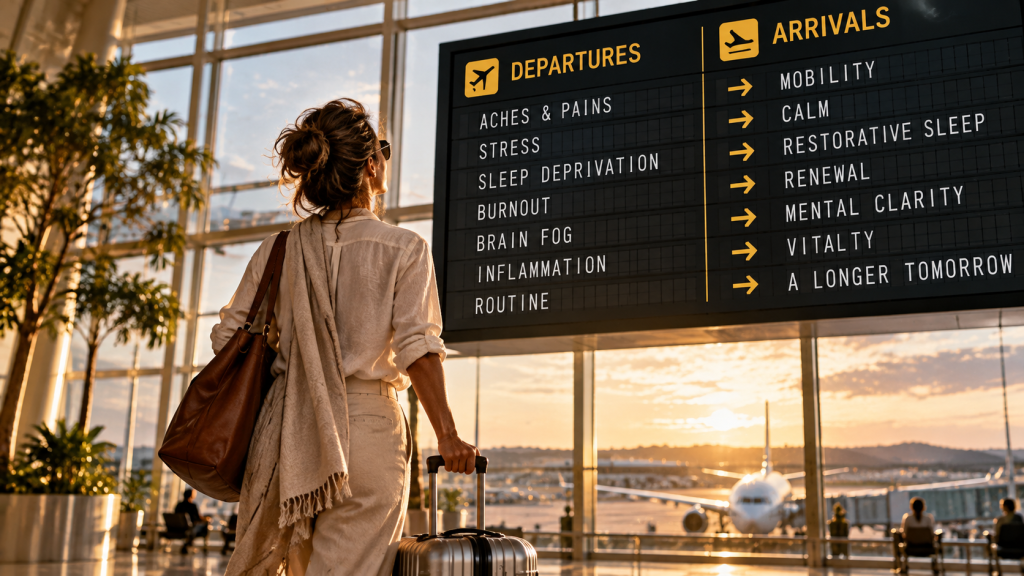
As the longevity travel market grows, travelers have more choices than ever.
There are medically supervised programs, sleep retreats, silent retreats, restorative spa experiences, and increasingly specialized offerings designed around everything from metabolic health to stress reduction.
Some involve intensive schedules and structured interventions. Others give guests room to explore at their own pace.
Personally, I prefer a little autonomy.
I like good bodywork, beautiful surroundings, access to knowledgeable people, and the opportunity to learn something about myself. But I don’t necessarily want someone directing every moment of my experience or telling me how to interpret it.
I suppose I’m a little like the Quaker of longevity.
I don’t need somebody standing between me and my own experience, explaining what I’m supposed to think or feel. Sometimes I’d rather sit quietly, consider what’s useful, and make up my own mind.
That’s where I ultimately land on the question of longevity.
I don’t think aging well means following somebody else’s prescription for living. I think it means understanding what matters to you and making the choices that allow you to keep doing those things for as long as possible.
For me, that’s being physically capable, emotionally grounded, intellectually curious, spiritually connected, and independent enough to keep creating the life I want.
The destinations may change. The science certainly will and our individual needs will evolve along with us.
But increasingly, living well isn’t just about how long we live.
It’s about where, how, and on whose terms we choose to do it.
△ △ △
AUTHOR’S NOTE
An earlier version of this article was published in Forbes. This edition has been expanded for The Journal with additional observations on the evolving business of longevity, the distinction between medical intervention and personal wellness, and what it actually means to age well.